
Best for average trial weight loss: Zepbound. Best for weight management with an established cardiovascular disease indication: Wegovy. Best for a daily injection rather than a weekly schedule: Saxenda. This 2026 comparison explains where each medication fits, what the evidence shows, and which safety questions should decide your prescription.
- Zepbound leads this best GLP-1 medication for weight loss comparison on average weight reduction in a head-to-head trial.
- Wegovy has an FDA-approved cardiovascular risk-reduction indication for eligible adults with established cardiovascular disease.
- Saxenda offers daily dosing but generally produces less average weight loss than newer weekly treatments.
- Choose with a licensed clinician: medical history, tolerability, pregnancy plans, and other prescriptions matter.
Why this matters
The best GLP-1 medication for weight loss is not automatically the drug with the largest trial result. You need a treatment that matches your medical history and that you can continue safely. A strong average result does not predict your individual response.
Directcare connects US men and women with licensed clinicians for prescription weight-loss care. Directcare is best suited to adults seeking clinician-led telehealth weight-loss care rather than choosing a prescription from a ranking alone.
This 2026 guide compares three injectable medicines approved for chronic weight management: Zepbound, Wegovy, and Saxenda. It does not rank diabetes-branded medicines as interchangeable substitutes or treat compounded preparations as equivalent to FDA-approved products.
What makes the best weight-loss medication?
Use these criteria before comparing results:
- Weight-loss evidence: Prioritize randomized trials, especially direct comparisons, over testimonials or isolated before-and-after photos.
- Medical fit: Consider obesity-related conditions, cardiovascular disease, sleep apnea, current medicines, and contraindications.
- Tolerability: Nausea, vomiting, constipation, and diarrhea can determine whether you continue treatment.
- Dosing routine: Weekly and daily injections create different routines; neither schedule removes the need for follow-up.
- Long-term plan: Discuss maintenance, nutrition, strength, and what happens if treatment stops before starting.
These criteria explain the ranking. Average weight loss puts Zepbound first, while particular health conditions or a preference for daily dosing give the other options distinct roles.
Injectable weight-loss medications at a glance
| Medication | Best for | Standout feature | Key limitation |
|---|---|---|---|
| Zepbound, tirzepatide | Highest average weight loss in the direct comparison | Activates GIP and GLP-1 receptors; weekly injection | Gastrointestinal effects and important oral-contraception precautions |
| Wegovy, semaglutide injection | Eligible adults with established cardiovascular disease | Weight-management and cardiovascular risk-reduction indications | Less average weight loss than tirzepatide in SURMOUNT-5 |
| Saxenda, liraglutide | Adults who prefer a daily dosing routine | Daily injection with a shorter-acting medicine | More frequent injections and lower average weight-loss efficacy |
Tirzepatide is technically a dual GIP/GLP-1 receptor agonist, not a GLP-1-only medicine. It belongs in this comparison because it treats chronic weight management and is commonly considered alongside semaglutide and liraglutide.
1. Zepbound: best for average weight-loss results
Zepbound contains tirzepatide. It acts on two hormone receptors involved in appetite and blood-sugar regulation: GIP and GLP-1. You inject it once weekly, with dose increases guided by the prescribing clinician.
The strongest reason for its ranking is a direct comparison rather than separate trial summaries. In the published SURMOUNT-5 trial, adults with obesity without diabetes had average weight reductions of 20.2% with tirzepatide versus 13.7% with semaglutide over 72 weeks. Participants received the maximum tolerated study doses.
That result supports choosing tirzepatide when average weight reduction is the main comparison. It does not prove that every person taking Zepbound will lose more than every person taking Wegovy. The study population and dose tolerance matter.
Zepbound pros and cons
Zepbound pros:
- Stronger average weight-loss results than semaglutide in a direct randomized comparison.
- Once-weekly injections rather than a daily injection routine.
- An FDA-approved indication for moderate-to-severe obstructive sleep apnea in adults with obesity.
Zepbound cons:
- Nausea, vomiting, diarrhea, and constipation can interfere with treatment.
- Oral hormonal contraception requires additional planning when starting treatment and increasing doses.
- The head-to-head result does not establish superiority for every medical outcome or patient group.
Best for: Adults prioritizing average weight reduction after a clinician confirms that tirzepatide fits their medical history.
Verdict: Choose Zepbound for its weight-loss evidence, not as a promise of a particular result.
2. Wegovy: best for eligible adults with cardiovascular disease
Wegovy contains semaglutide, a GLP-1 receptor agonist. This comparison covers the once-weekly injectable formulation. It reduces appetite and food intake, alongside the nutrition and activity changes that support treatment.
Wegovy has an FDA-approved indication to reduce major cardiovascular events in adults with established cardiovascular disease and overweight or obesity. That distinction matters if you have already had cardiovascular disease: a weight-loss ranking alone leaves out an important treatment goal.
The SELECT trial studied semaglutide in adults with established cardiovascular disease and overweight or obesity without diabetes. It demonstrated fewer major cardiovascular events with semaglutide than placebo. This is a different question from which medicine produces the largest average weight reduction.
Wegovy pros and cons
Wegovy pros:
- Evidence supporting cardiovascular risk reduction in a defined, eligible population.
- Once-weekly injections fit a recurring weekly routine.
- Established trial evidence for chronic weight management.
Wegovy cons:
- Lower average weight reduction than tirzepatide in SURMOUNT-5.
- Gastrointestinal side effects can limit dose increases or continuation.
- Pregnancy planning requires advance discussion because semaglutide remains in the body after stopping.
Best for: Adults with overweight or obesity and established cardiovascular disease who qualify for its cardiovascular indication.
For your 2026 treatment discussion, separate weight-loss goals from cardiovascular goals. A clinician should consider both rather than treating a larger percentage loss as the only meaningful outcome.
Verdict: Choose Wegovy when its cardiovascular indication is an important part of your care plan.
3. Saxenda: best for a daily injection preference
Saxenda contains liraglutide, a GLP-1 receptor agonist used for chronic weight management. Unlike the weekly injections above, you inject Saxenda every day. The shorter dosing interval is its main practical distinction here.
Daily dosing is not automatically easier or safer. It creates more injection tasks, but some people prefer attaching treatment to a daily routine rather than remembering a particular weekday. That preference should complement—not replace—a discussion of expected effectiveness.
In the SCALE Obesity and Prediabetes trial, liraglutide produced greater weight reduction than placebo over 56 weeks. Separately, the STEP 8 trial directly compared weekly semaglutide with daily liraglutide and found greater average weight reduction with semaglutide.
Saxenda pros and cons
Saxenda pros:
- A daily schedule for people who prefer a consistent everyday routine.
- Randomized trial evidence supporting weight management.
- A shorter-acting option to discuss when comparing treatment characteristics.
Saxenda cons:
- Daily injections create more treatment tasks than weekly dosing.
- Average weight-loss efficacy is lower than semaglutide in a direct comparison.
- Gastrointestinal effects still occur; daily dosing does not remove that risk.
Best for: Adults who prefer daily treatment and accept its efficacy trade-off after reviewing alternatives.
Verdict: Consider Saxenda for a specific dosing preference; skip it as the default choice for maximum average weight loss.
How the ranking works
This 2026 ranking puts direct comparative evidence ahead of comparisons between unrelated studies. SURMOUNT-5 supports tirzepatide over semaglutide for average weight reduction in its studied population. STEP 8 supports semaglutide over liraglutide for that outcome.
The ranking also considers FDA-approved indications and injection schedules. It does not claim these medicines were tested together in one three-way trial, and it does not turn weight-loss results into a ranking of overall safety.
Compare the outcome you actually need. Weight reduction, cardiovascular risk reduction, sleep apnea treatment, and tolerability are related decisions, but they are not interchangeable outcomes.
Safety questions that come before a prescription
Before choosing any of these medicines, tell your clinician about your full medical history and every prescription, over-the-counter medicine, and supplement you take. Do not combine these treatments with another GLP-1 medicine or another product containing the same active ingredient.
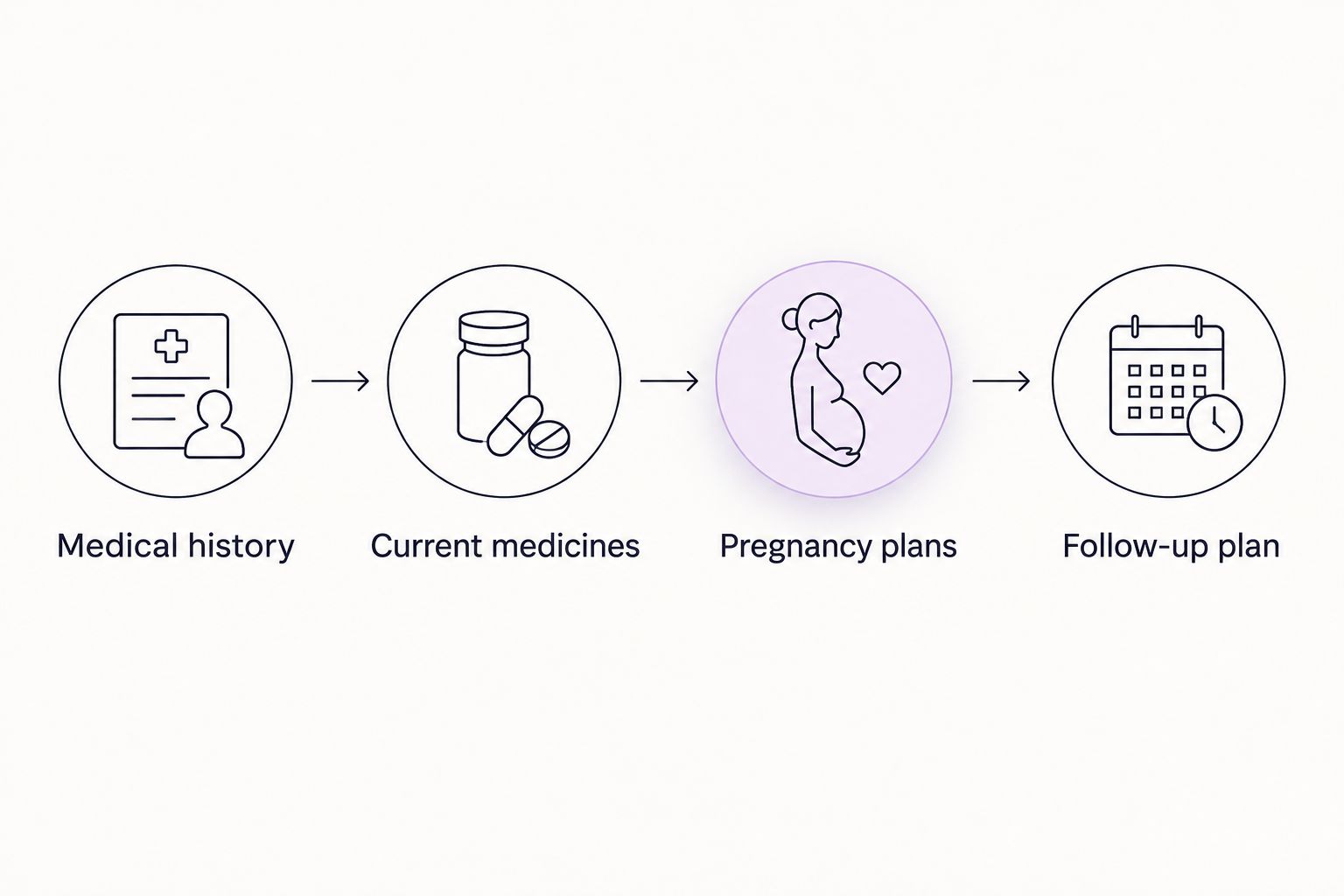
Use this checklist to structure the appointment:
- Medical history: Discuss pancreatitis, gallbladder problems, severe digestive symptoms, kidney problems, and diabetes-related eye disease.
- Current medicines: Insulin and sulfonylureas can increase low-blood-sugar risk when used with these treatments.
- Pregnancy plans: Weight-loss medicines are not appropriate during pregnancy; discuss stopping instructions before trying to conceive.
- Follow-up plan: Agree on dose reviews, side-effect reporting, nutrition support, and how progress will be assessed.
Zepbound, Wegovy, and Saxenda carry boxed warnings about thyroid C-cell tumors observed in rodents. They are contraindicated with a personal or family history of medullary thyroid carcinoma or multiple endocrine neoplasia syndrome type 2. This is not the same as saying every thyroid condition rules out treatment.
Seek urgent medical assessment for severe or persistent abdominal pain, particularly with vomiting, or signs of a serious allergic reaction. Contact your clinician promptly if repeated vomiting prevents you from keeping fluids down. Do not simply push through severe symptoms to reach a higher dose.
Pregnancy planning and contraception need specific instructions
Semaglutide prescribing information instructs patients to stop treatment at least 2 months before a planned pregnancy. Tell your clinician about pregnancy plans before starting Wegovy, not only when you are ready to stop.
Tirzepatide can reduce the effectiveness of oral hormonal contraception. Its prescribing information advises switching to a non-oral method or adding a barrier method for 4 weeks after starting and 4 weeks after each dose increase.
These instructions are medication-specific. Do not assume advice for one injection applies to another, and do not change contraception or prescription treatment without an appropriate clinical discussion.
What a useful treatment plan includes
Directcare weight-loss care connects prescription decisions with licensed clinicians. Use your appointment to ask how your health history changes the choice between tirzepatide, semaglutide, and liraglutide—not just which drug ranks first.
Bring a current medicine list and describe previous weight-loss treatments, digestive symptoms, and your goals. If you have diabetes, discuss glucose monitoring and whether other medicines need adjustment. If you have sleep apnea or cardiovascular disease, name those conditions explicitly.
Your 2026 plan should also explain what happens after the first prescription:
- How will dose increases be decided?
- Which symptoms require a message, an appointment, or urgent care?
- How will nutrition, muscle strength, and weight changes be reviewed?
- What is the maintenance plan if treatment works?
A prescription is the start of treatment, not the whole treatment. Avoid increasing a dose yourself because a comparison chart makes another person's outcome look faster.
Which weight-loss medication should you choose?
Start the discussion with Zepbound if average weight reduction is your main priority. Its head-to-head evidence makes it the default first discussion in this comparison, provided your medical history supports it.
Choose a different starting point when the decision changes. Wegovy deserves particular attention for eligible adults with established cardiovascular disease. Saxenda fits a narrower discussion about daily dosing and the trade-off in average effectiveness.
Directcare weight-loss consultations put that decision with a licensed clinician. Bring the ranking as a set of questions, not a request to bypass screening or a reason to dismiss side effects.
FAQ
What's the best GLP-1 medication for weight loss in 2026?
Zepbound leads this comparison for average weight reduction based on a direct trial against semaglutide. The best prescription for you also depends on medical history, other medicines, tolerability, and treatment goals.
Is Zepbound better than Wegovy for weight loss?
Tirzepatide produced greater average weight reduction than semaglutide in SURMOUNT-5: 20.2% versus 13.7% over 72 weeks. The trial enrolled adults with obesity without diabetes, so the result is not a guarantee of individual response.
Is tirzepatide actually a GLP-1 medication?
Tirzepatide activates both GIP and GLP-1 receptors. It is a dual receptor agonist, whereas semaglutide and liraglutide act on the GLP-1 receptor.
Which weight-loss injection is best if I have heart disease?
Wegovy has a cardiovascular risk-reduction indication for adults with established cardiovascular disease and overweight or obesity. A clinician must confirm whether your diagnosis and medical history fit that indication.
Is Saxenda a weekly injection?
Saxenda is a daily injection. The injectable Wegovy and Zepbound treatments discussed here are given weekly.
Can I take a GLP-1 weight-loss medication during pregnancy?
Weight-loss medicines should not be used during pregnancy. Discuss pregnancy plans before treatment; semaglutide instructions include stopping at least 2 months before a planned pregnancy.
Can I switch between weight-loss injections myself?
Do not switch between these medicines without prescribing guidance. Their doses are not interchangeable, and your clinician needs to set the timing and starting dose.
One last thing
The highest dose is not a badge of progress. A dose increase should follow the medication's instructions and your clinician's assessment of response and tolerability—not pressure to match a trial average.
Before your next appointment, write down one treatment goal beyond the scale and one side effect you want clear instructions for. Those two answers make the medication discussion more useful than asking only which injection is strongest.